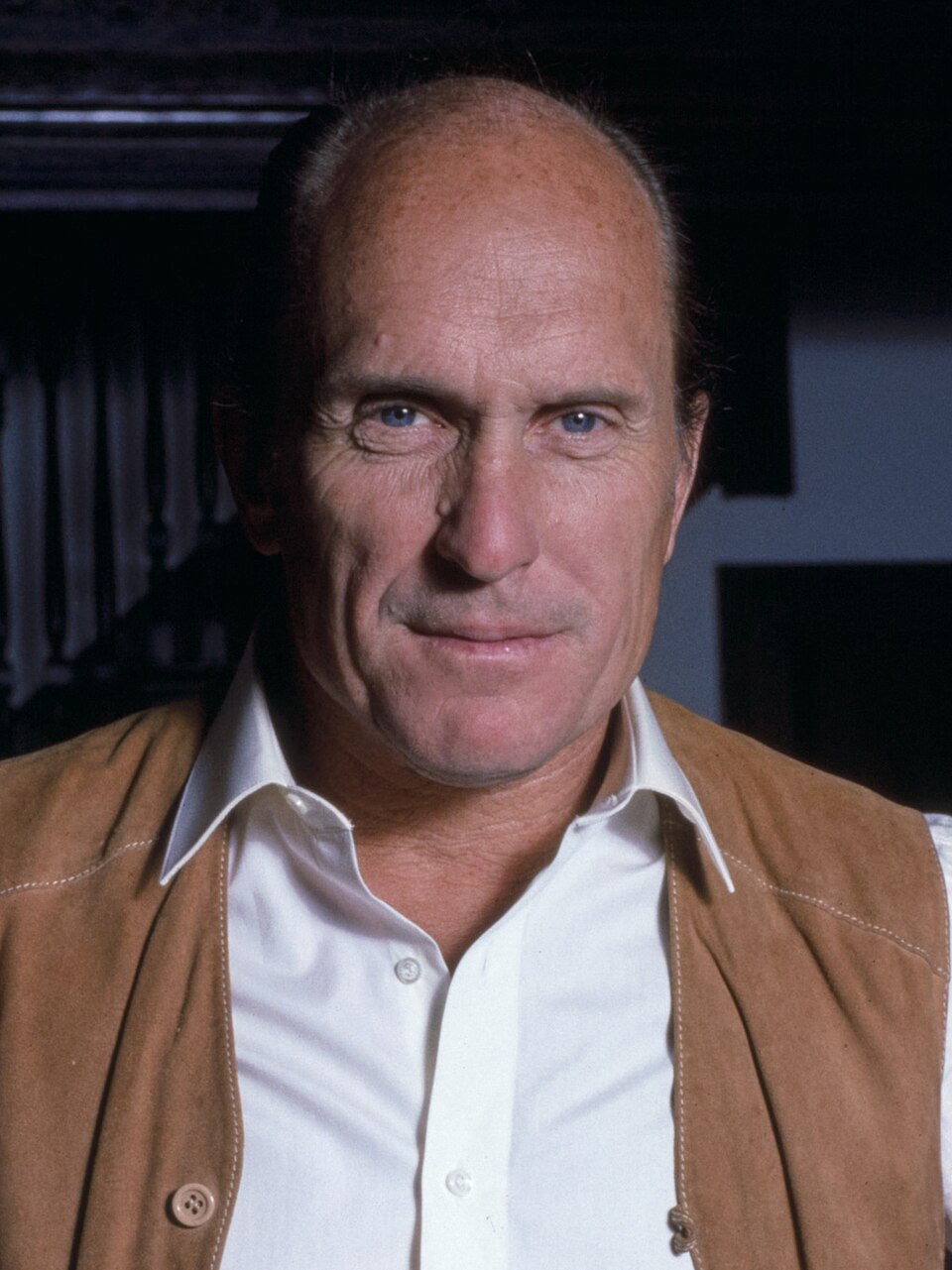
Before the Oscars: Robert Duvall's Formative Years and Early Roles
Before the iconic roles that garnered critical acclaim and cemented his status as a living legend, there was a young man driven by an undeniable passion for acting. Robert Duvall, the versatile powerhouse known for his transformative performances, didn't emerge fully formed onto the silver screen. His journey was a testament to grit, dedicated craftsmanship, and a relentless pursuit of artistic excellence. To truly appreciate the maestro, we must rewind the clock and explore the foundational experiences that shaped Robert Duvall young, tracing his path from a military family background to the hallowed stages and nascent film sets of New York and Hollywood.
Early Roots and a Surprising Path to the Stage
Born Robert Selden Duvall on January 5, 1931, in sunny San Diego, California, his early life was marked by a fascinating duality. His father, William Howard Duvall, was a career naval officer who rose to the rank of Rear Admiral, instilling a sense of discipline and structure. His mother, Mildred Virginia (née Hart), was an amateur actress, perhaps unknowingly planting the seeds of performance in her son's nascent mind. This blend of strict military order and artistic sensibility would subtly inform Duvall’s later roles, often allowing him to portray characters of immense authority and quiet vulnerability with equal conviction.
Duvall spent the majority of his childhood years in Annapolis, Maryland, a city steeped in naval tradition. Despite this backdrop, his academic interests veered towards the humanities. He pursued a bachelor’s degree in drama at Principia College in Elsah, Illinois, solidifying his early commitment to the craft. Following his graduation in 1953, the path took an unexpected detour: a one-year stint in the U.S. Army. This period of military service, while seemingly disparate from the theatrical world, likely contributed to the disciplined work ethic and observational skills that would later serve him so well as an actor. It was a formative experience that, much like his diverse upbringing, enriched the tapestry of his understanding of human nature.
The Crucible of New York: Meisner, Method, and Future Legends
The mid-1950s marked a pivotal moment for Robert Duvall young. In 1955, armed with the benefits of the G.I. Bill, he made the crucial decision to immerse himself in the vibrant, competitive world of New York City. His destination: The Neighborhood Playhouse School of the Theatre, where he began studying under the legendary acting teacher Sanford Meisner. Meisner's technique, focusing on truthful action and developing an authentic emotional life within a role, became the bedrock of Duvall's craft. It was a rigorous, demanding environment, but one that fostered genuine talent.
It was within these hallowed halls, and in the bustling, ambitious atmosphere of New York, that Duvall forged friendships that would become legendary. He met and trained alongside two other aspiring actors who would go on to achieve immense fame: Dustin Hoffman and Gene Hackman. The three often shared apartments, their struggles and dreams intertwining as they navigated the challenging landscape of aspiring artists. This period, characterized by camaraderie and shared hardship, highlights the deep commitment each of them had to their art. Duvall himself famously confessed to PEOPLE in a 1977 interview, “I was terrible at everything but acting — I could barely get through school.” This self-effacing remark speaks volumes about his singular focus and natural aptitude for performance. Aspiring actors can draw inspiration from this tale: the power of dedication, the value of rigorous training, and the importance of a supportive peer group cannot be overstated in navigating the competitive world of acting.
Discover more about Duvall's early connections and entry into the acting world in our related article: Young Robert Duvall: From Army to Acting School with Future Stars.
From Stage Grit to Silver Screen Whisper: Early Roles and Breakthrough
The journey of Robert Duvall young was anything but an overnight sensation. For much of the 1950s, he honed his skills on the stage, performing in various plays around New York City. This period was not without its financial challenges, necessitating day jobs at Macy’s and the post office – a common experience for many struggling actors in the city that never sleeps. The stage provided an invaluable training ground, allowing him to experiment, fail, and ultimately develop the nuanced understanding of character that would define his career.
His foray into television began in 1959 with an episode of the anthology series Armstrong Circle Theater. This opened the door to a series of one-episode guest appearances throughout the late '50s and into the '60s. Duvall became a familiar face in a variety of popular anthology and procedural dramas, showcasing his versatility in shows like The Twilight Zone, the police procedural Naked City, and the crime drama The Fugitive. These episodic roles, while not leading to stardom, provided consistent work and allowed him to practice his craft in front of a camera, learning the subtle differences between stage and screen performance.
A significant turning point came through a connection made at The Neighborhood Playhouse. Meisner had cast Duvall in a play titled "The Midnight Caller" by renowned playwright Horton Foote. It was Foote's wife who, recognizing Duvall's unique talent, recommended him for a pivotal role that would become his true cinematic debut: the reclusive town outcast, Boo Radley, in the 1962 film adaptation of Harper Lee's celebrated novel, To Kill a Mockingbird. Sharing the screen with luminaries like Gregory Peck as Atticus Finch and Mary Badham as Scout, Duvall delivered a silent yet profoundly moving performance. His portrayal of Boo, a character of immense mystery and quiet dignity, left an indelible mark on audiences and critics alike, immediately establishing him as a compelling screen presence.
This critical success was a game-changer. It proved that Robert Duvall young possessed an extraordinary ability to convey complex emotions with minimal dialogue, a skill that would define many of his future characterizations. It truly launched his film career, setting the stage for the diverse and impactful roles that followed. To delve deeper into how this iconic role shaped his trajectory, read: Robert Duvall's Breakthrough: How Boo Radley Launched His Career.
Building a Reputation: Character Work and Emerging Stardom
With To Kill a Mockingbird under his belt, the film roles began to materialize with greater frequency. The mid-to-late 1960s saw Duvall establishing himself as a highly sought-after character actor, capable of stealing scenes even in star-studded ensembles. His ability to inhabit a wide range of characters, from the menacing to the melancholic, made him invaluable to directors seeking authenticity.
He appeared in high-profile films such as Arthur Penn's 1966 drama The Chase, sharing the screen with an incredible cast including Marlon Brando, Jane Fonda, and Robert Redford. He continued to work with acclaimed directors, co-starring with James Caan in Robert Altman's Countdown (1967) and Francis Ford Coppola's The Rain People (1969). These collaborations would prove instrumental, particularly his work with Coppola, foreshadowing their iconic partnership in the following decade.
Duvall also left his mark in classic Westerns and war comedies. He was memorable as the heavy Ned Pepper, shot by John Wayne's Rooster Cogburn at the climax of 1969's True Grit. The following year, he created the original screen portrayal of Major Frank Burns in Robert Altman's groundbreaking Korean War comedy M*A*S*H. His nuanced performance, often tinged with dark humor, set the tone for the character that would become famous on television. He even starred as the titular lead in George Lucas's directorial debut, the dystopian science fiction film THX 1138 (1971).
These early roles, though varied in genre and scope, all showcased Duvall's unwavering commitment to character. He wasn't just performing lines; he was embodying complex individuals, often bringing depth and humanity to figures who might have otherwise been one-dimensional. This dedication to craft, honed during his time as Robert Duvall young, was the bedrock upon which his legendary career was built, leading directly to his career-defining role as Tom Hagen in Francis Ford Coppola's The Godfather (1972), which would earn him his first of six Academy Award nominations and propel him into the pantheon of Hollywood's greatest actors.
Conclusion: The Making of a Legend
The journey of Robert Duvall from his childhood in Annapolis to his eventual status as an Oscar-winning icon is a compelling narrative of perseverance, raw talent, and unwavering dedication. The formative years of Robert Duvall young, marked by military service, rigorous acting training under Sanford Meisner alongside future stars like Dustin Hoffman and Gene Hackman, and the grind of early stage and television work, were crucial in shaping the artist he would become. His silent yet powerful debut as Boo Radley in To Kill a Mockingbird served as the springboard, allowing him to then build a formidable reputation through a series of memorable character roles. Long before the accolades and the global recognition, it was this period of foundational work and earnest striving that forged the extraordinary actor we know today, proving that true artistry often begins with years of unseen effort and an unshakeable belief in one's craft.