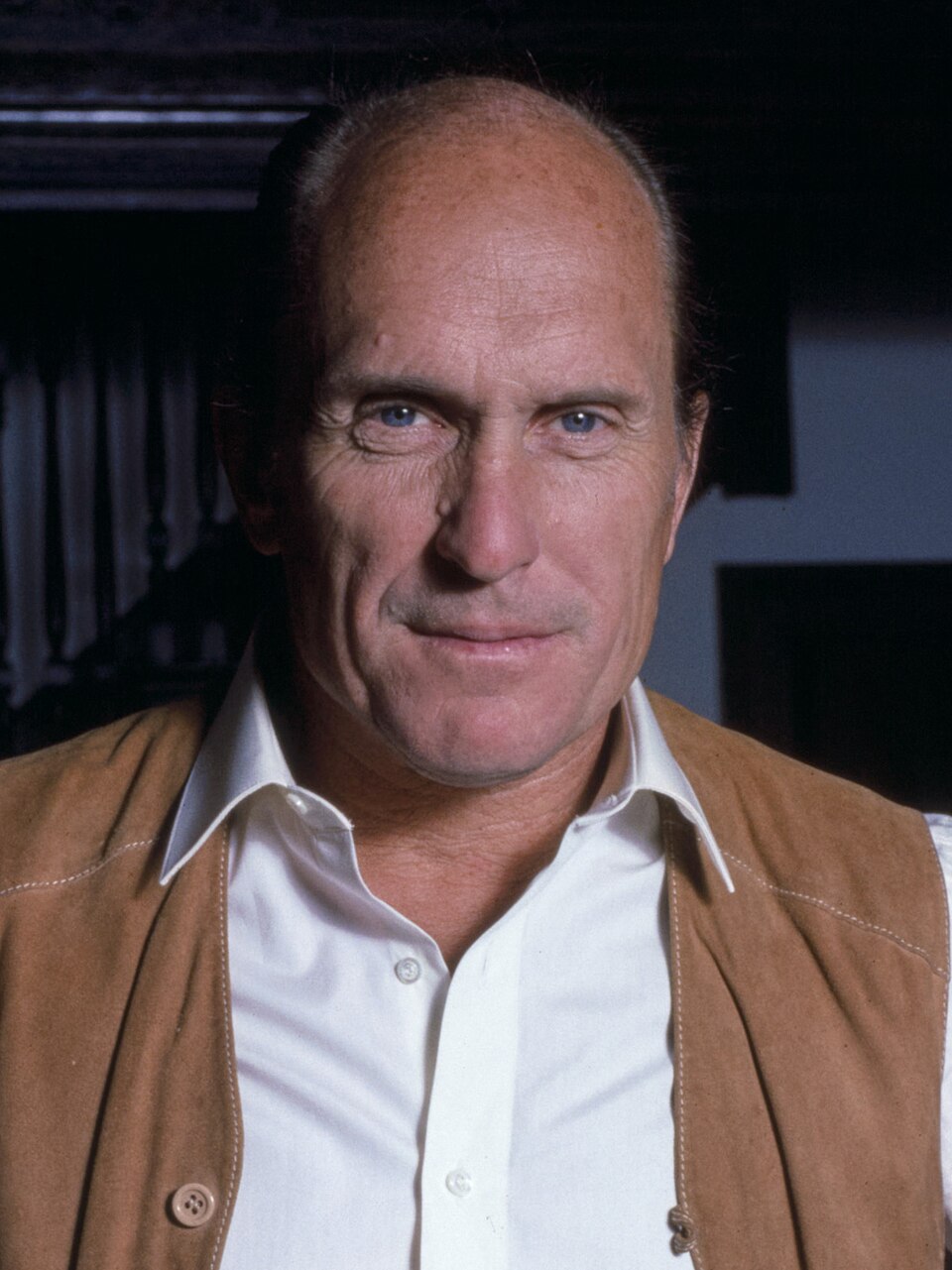
Young Robert Duvall: The Genesis of a Hollywood Icon
Before he was an Academy Award winner, before he commanded the screen in epics like The Godfather, Apocalypse Now, or Tender Mercies, there was a determined young man named Robert Selden Duvall. His journey from a disciplined military background to the hallowed halls of acting schools, rubbing shoulders with future legends, is a compelling narrative of ambition, talent, and sheer perseverance. Understanding the formative years of Robert Duvall young is crucial to appreciating the depth and authenticity he brought to every character he embodied.
Born on January 5, 1931, in San Diego, California, Duvall's upbringing was a blend of two distinct worlds. His father, William Howard Duvall, was a career Navy Rear Admiral, instilling a sense of structure and discipline. His mother, Mildred Virginia Duvall (née Hart), was an amateur actress, perhaps sowing the seeds of performance early on. He spent much of his childhood in Annapolis, Maryland, a stone's throw from the Naval Academy, before pursuing higher education at Principia College in Elsah, Illinois, where he earned a bachelor's degree in drama in 1953.
From Military Service to Method Acting: A Pivotal Transition
Immediately after graduating college, the path for Robert Duvall young took a turn less common for aspiring actors of his generation. He served a year in the U.S. Army. While the details of his service are not widely publicized, this period undoubtedly contributed to his disciplined demeanor and no-nonsense approach to his craft. Many veterans returning from service sought new opportunities, and for Duvall, that opportunity lay in the transformative power of acting.
In 1955, Duvall made a decisive move, enrolling at the prestigious Neighborhood Playhouse School of the Theatre in New York City. This institution, renowned for its rigorous training, particularly under the tutelage of the legendary Sanford Meisner, would become a crucible for his talent. Meisner's technique, focusing on "truthful acting" and spontaneous emotional responses, demanded unwavering commitment – a quality Duvall clearly possessed. It was a perfect fit for an actor who would later become celebrated for his grounded, authentic portrayals.
The Neighborhood Playhouse wasn't just a school for Duvall; it was a nexus of future greatness. It was here that he forged lifelong friendships and professional connections with two other struggling young actors who would also go on to become Hollywood titans: Dustin Hoffman and Gene Hackman. The three shared an apartment, a common bond of ambition, and the daily grind of honing their craft under Meisner's watchful eye. Imagine the energy, the late-night discussions, and the shared dreams within those humble walls – a unique intersection of raw talent on the cusp of discovery. Duvall famously recalled to PEOPLE in 1977, "I was terrible at everything but acting — I could barely get through school," underscoring his singular focus on his artistic passion.
The Grinding Years: Stage, Day Jobs, and Early Screenings
Like many aspiring actors in New York City, the path for Robert Duvall young was paved with hard work and significant struggle. Throughout the late 1950s, he immersed himself in the vibrant Off-Broadway and regional theater scene, performing in plays and building his reputation as a formidable stage actor. These were the years of paying dues, working day jobs at Macy's and the post office to support his artistic endeavors. This period of hustling, where passion fuels persistence despite financial strain, is a common thread in many successful actors' stories and a testament to Duvall's unwavering dedication. For more on his initial forays into the industry, explore Before the Oscars: Robert Duvall's Formative Years and Early Roles.
Duvall's talent didn't go unnoticed on the stage. In 1965, he earned an Obie Award for his powerful performance as Eddie Carbone in an off-Broadway revival of Arthur Miller's "A View from the Bridge." Interestingly, his old roommate, Dustin Hoffman, served as assistant director on that very production, highlighting the tight-knit community and collaborative spirit among these budding stars.
His transition to the screen began subtly. His first known film appearance was a minor role as an MP in *Somebody Up There Likes Me* (1956), starring Paul Newman. His television debut came in 1959 with an episode of the anthology series *Armstrong Circle Theater*. Throughout the late '50s and into the '60s, he made numerous guest appearances in popular anthology and procedural shows, honing his skills in front of the camera. Audiences might have caught glimpses of him in episodes of iconic series such as *The Twilight Zone*, *Naked City*, and *The Fugitive*, often in roles that showcased his intense gaze and understated power.
Boo Radley: The Unforgettable Breakthrough
While steady work on stage and television was building his resume, a truly transformative role was just around the corner. The pivotal moment in the early career of Robert Duvall young arrived thanks to a crucial connection: playwright and screenwriter Horton Foote. Foote had cast Duvall in his play "The Midnight Caller" and was deeply impressed by his talent. It was Foote who recommended Duvall to director Robert Mulligan for the film adaptation of Harper Lee's beloved novel, To Kill a Mockingbird (1962).
Duvall was cast as Arthur "Boo" Radley, the reclusive, misunderstood neighbor who becomes a protector for Scout and Jem Finch. It was a role that required immense subtlety and sensitivity, largely conveyed through non-verbal performance. Despite minimal screen time and no dialogue, Duvall's portrayal of Boo Radley was profoundly impactful, leaving an indelible mark on audiences and critics alike. Opposite Gregory Peck's Atticus Finch and Mary Badham's Scout, Duvall created a character filled with pathos and mystery, showcasing his extraordinary ability to convey complex emotions with economy and grace.
The critical acclaim for To Kill a Mockingbird proved to be the launchpad for Duvall's film career. The doors truly began to open. Roles quickly followed, allowing him to work with an array of legendary directors and actors. He appeared in Arthur Penn's *The Chase* (1966) alongside Marlon Brando, Jane Fonda, and Robert Redford, and showcased his versatility in Robert Altman's *Countdown* (1967) and Francis Ford Coppola's *The Rain People* (1969), both co-starring James Caan. He also made a memorable impression as the heavy in *True Grit* (1969), squaring off against John Wayne, and delivered an iconic performance as the original Major Frank Burns in Robert Altman's *M*A*S*H* (1970). These roles solidified his reputation as a powerful character actor, setting the stage for even greater successes, particularly his career-defining role as Tom Hagen in *The Godfather*, which would reunite him with Brando and Caan and earn him his first of six Academy Award nominations. To delve deeper into how this iconic role shaped his trajectory, read Robert Duvall's Breakthrough: How Boo Radley Launched His Career.
Conclusion
The journey of Robert Duvall young from a disciplined military background and a focused drama student to a revered Hollywood icon is a testament to the power of talent, perseverance, and crucial connections. His time at the Neighborhood Playhouse, surrounded by future stars like Hoffman and Hackman, provided not just training but a vital support network. The years of stage work and day jobs instilled a work ethic that would define his career. And then, a single, wordless performance as Boo Radley launched him into the cinematic spotlight, proving that authentic acting, regardless of screen time, can resonate deeply. Duvall's early experiences forged the uncompromising and versatile actor we know today, a master of his craft whose foundations were laid long before the accolades rolled in.